Recent reporting by The Colorado Sun highlighted a stark reality: some Colorado communities have no licensed child care options for infants and toddlers. That’s alarming and it deserves attention.
But there’s an important part of the story that often goes untold.
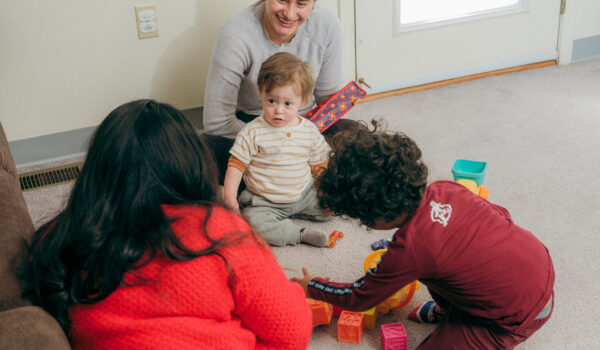
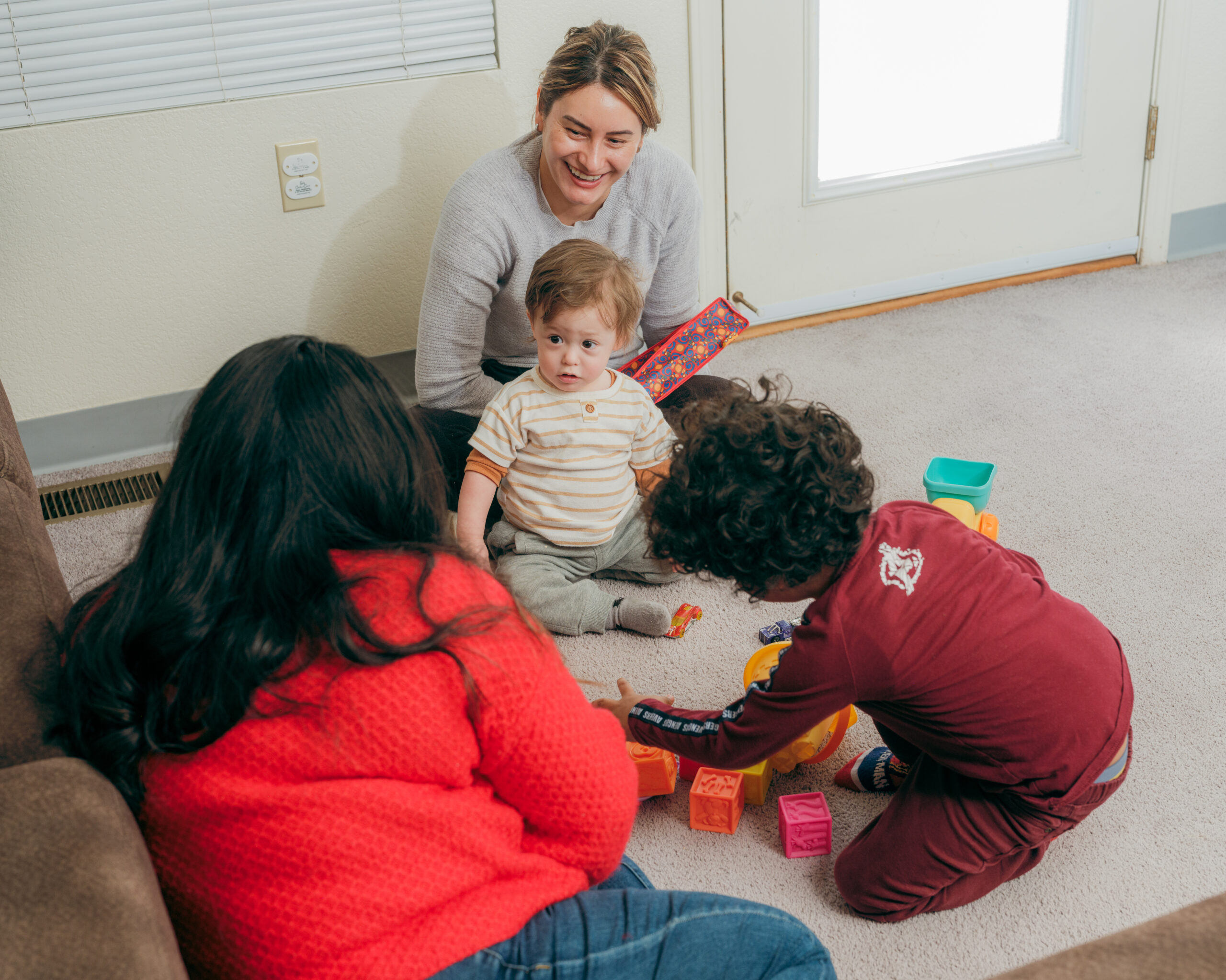
Across Colorado, thousands of families are already solving this challenge in a different way. They are turning to family members, friends, and neighbors to care for their young children – often referred to as Family, Friend, and Neighbor (FFN) care.
Too often, this form of care is only framed as a last resort. Worse, it is sometimes described as something inherently unsafe or inferior. This framing misses both the reality and the opportunity.
For many families, FFN care is not a fallback, it is a deliberate choice. A parent heading to an early shift may leave their toddler with a trusted grandmother or nearby neighbor. Another family may rely on a caregiver who speaks their child’s home language and understands their culture and needs.
Especially for infants and toddlers, families often prioritize trust and cultural connection alongside safety and reliability. These settings may not look like formal classrooms, but they are often places where children experience consistency and a strong sense of belonging during their earliest years.
And in communities across our state, from rural mountain towns to urban neighborhoods, these caregivers are already doing the work of caring for Colorado’s youngest children.
The question is not whether FFN care exists. The question is whether we will choose to embrace and support it as part of the vital spectrum of early childhood care.
To be clear, safety is paramount. Any unsafe or illegal care settings should be addressed. Children absolutely must have environments that are healthy and secure.
But we also have to be honest about the limits of our current approach.
We are not going to build enough licensed infant and toddler slots, especially in rural communities, to meet the need anytime soon. Even in more resourced areas, the cost and complexity of expanding licensed care remain significant barriers.
If we only focus on building more licensed capacity, we risk overlooking where many children already are. And where they will continue to be.
A more comprehensive approach would be to ask, “How do we strengthen the full ecosystem of care that families rely on?”
This includes investing in FFN caregivers so they can continue doing what they already do, often with little recognition and few supports.
A more inclusive approach would see:
-FFN caregivers connected to resources and information, including child development information, health and safety practices, and nutrition support.
-Expanded access to programs like the Colorado Food Program (also known as the Child and Adult Care Food Program) so caregivers can provide healthy meals without financial strain.
-More opportunities for FFN providers to connect with one another, reducing isolation and building shared knowledge.
-Culturally and linguistically responsive outreach efforts, so that caregivers from diverse communities can access supports that meet them where they are.
-Clarified rules and expectations, so caregivers understand what is allowed, what is not, and how to stay within safe and legal boundaries.
None of this replaces the need for licensed care. Colorado absolutely needs more infant and toddler slots. But this approach recognizes a simple truth:
We cannot build our way out of this challenge alone.
If we want to support children, we have to support the care they are already receiving. That means expanding our definition of what counts as part of the child care system and who deserves to be included in it.
Family, Friend, and Neighbor caregivers are not on the margins of that system. They are, and always have been, at its heart.

Written By: Miguel In Suk Lovato
Miguel In Suk Lovato believes in child/youth-centered educational opportunities that foster curiosity, creativity, and critical thinking. He recognizes that factors...
Read Bio Contact Miguel