Weather talk used to be the safest small talk there is. Not anymore, at least not in Colorado.
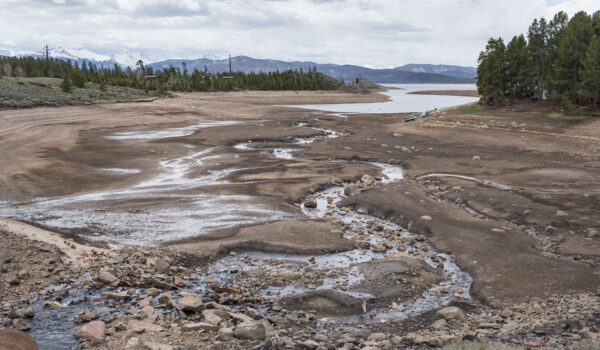
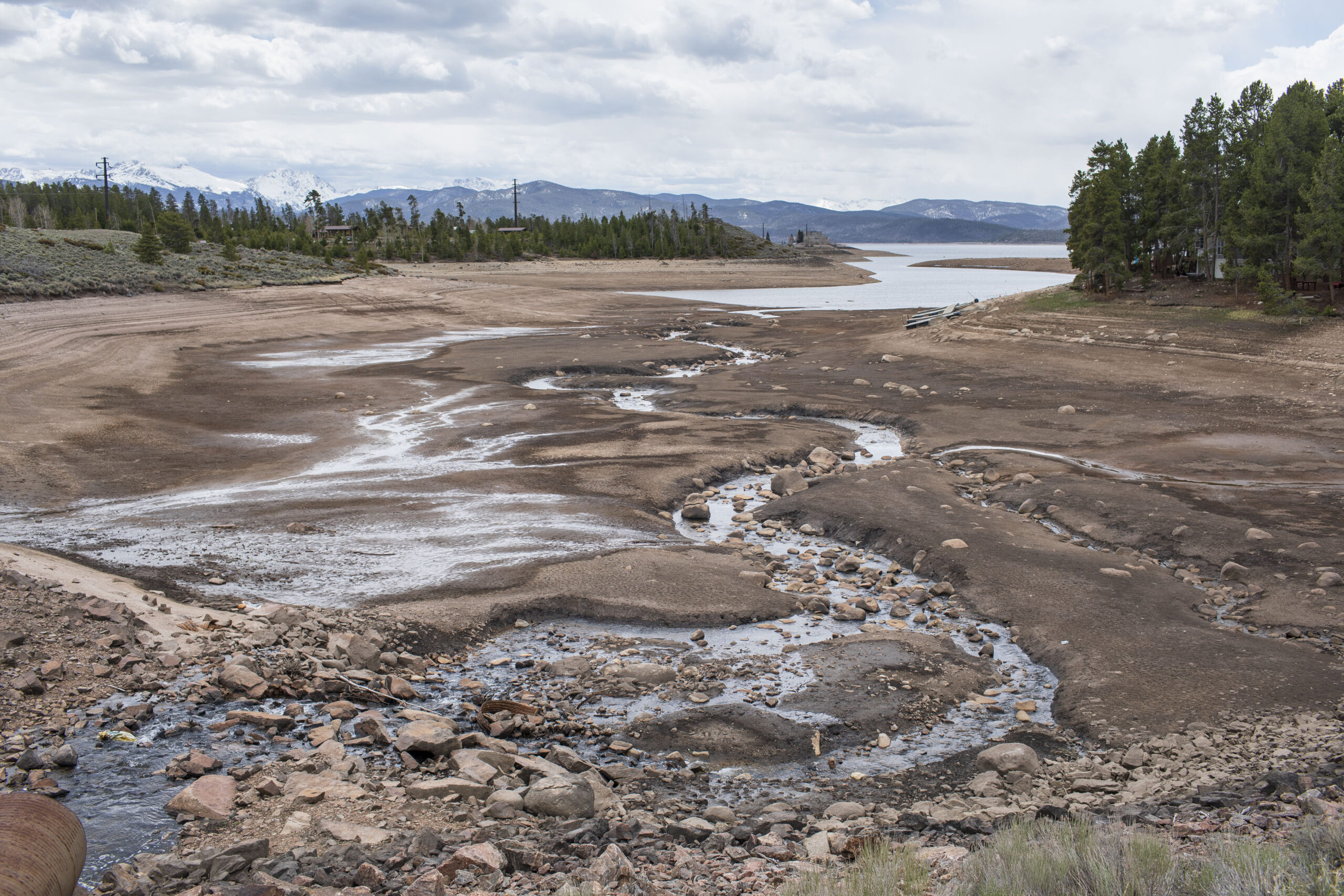
Everyone knows complaining about a blustery day or asking, “is it hot enough for you?” is the ultimate lazy filler, something you say when you’ve got nothing else to say. But in Colorado, weather has stopped being small talk. It’s politically charged, it’s on everyone’s mind, and it keeps getting hotter.
And we can’t do a thing about it.
We’ve been talking a lot about the weather here at DK, and that conversation keeps circling back to one thing: water, and who gets to use it. In drought years, like 2026, farmers are often blamed for our water shortages since agricultural use accounts for roughly 70% to 90% of total water consumption in Colorado. However, Rocky Mountain Farmers Union reports that many growers across Colorado are struggling to break even, and planting one-third of what they normally would; if next year is another drought, there won’t be much food grown in Colorado. Already, farmers aren’t sure that they can meet the demand for fruits and vegetables to supply the Healthy School Meals for All’s Local Food Program (the state now allocates $15 million to schools to purchase local produce).
And while Colorado farmers’ crops wither on the vine due to heat and drought, municipalities like Boulder have not issued any water restrictions for their municipal users: we see expanses of suburban green lawns sparkling in the evening dusk after sprinklers provide the thirsty grass a reprieve from the scorching sun. Meanwhile, a farm ten miles east is trucking in water while its ditch runs dry.
It will come down to a choice for Coloradans: “Do we grow crops or just shuttle water off to the cities?”
To address these issues, the Boulder Center for Food and Agriculture (“BCFA”) is working on agricultural water solutions. BCFA notes that “no water = no farms” and they are trying to answer the question: How do we get water to the farms that need it and ensure more predictable water access for farmers? This is similar to how we prioritize drinking water for our citizens in municipalities.
Although many organizations already work in water resource management, BCFA plans to help them coordinate around producers’ needs at a systems level, not just individually, and to push beyond simply stretching existing water further, toward a real community commitment to keeping working lands from being last in line during drought.
BCFA’s priorities include:
Getting creative when water gets scarce. In drought years, farmers and ranchers need flexibility, BCFA is pushing for smarter water-sharing deals and exchanges, voluntary agreements that let water move where it’s needed most without anyone losing their long-term rights.
Investing in healthier watersheds now, for water later. Restoring streambanks, wetlands, and natural floodplains isn’t just good for wildlife, it helps rivers hold onto water longer and release it later in the season, when farms and fish need it most.
Thinking bigger than one dam or one ditch. Fixing water delivery one project at a time isn’t enough. We need infrastructure and delivery system upgrades that work together across the whole basin, so water gets where it needs to go with less waste and fewer bottlenecks.
Using policy to make water go further. Working with incentives, funding, and regulatory tools that make it easier to keep water flowing for both farms and ecosystems.
The work is just beginning, and it is slow. Water rights in Colorado tangle through more than a century of law, competing claims, and entrenched interests, so BCFA’s plans for creative exchanges and systems-level coordination will take persistent advocacy to become reality.
But the alternative costs too much. If we let farms go under one drought year at a time, we lose more than green fields and roadside stands. We lose our farm-to-school supply chain, the rural communities that depend on agriculture, and any real claim to a Colorado food system that feeds its own people.
So, the next time someone brings up the weather, it’s not just small talk. Ask what it means for the farmer down the road, the school lunch program, the water still running through Boulder’s sprinklers at dusk. The conversation isn’t boring anymore. It’s the one that decides whether Colorado still grows its own food a decade from now.

Written By: Taber Ward
Taber Ward is a strategist and advocate for social justice. She is a believer — especially in human potential and...
Read Bio Contact Taber